
Expert Tips for Seamless Financial Reporting and Analysis


Understanding the Basics of Financial Reporting
Financial reporting is an essential process for any business, providing a clear view of the financial health and performance. It involves compiling financial statements that offer insights into revenues, expenses, profits, and losses. Accurate financial reporting is critical for decision-making, regulatory compliance, and transparency.
To ensure seamless financial reporting, it’s vital to have a comprehensive understanding of accounting principles and standards. These guidelines help maintain consistency and accuracy across financial documents.
Leveraging Technology for Efficiency
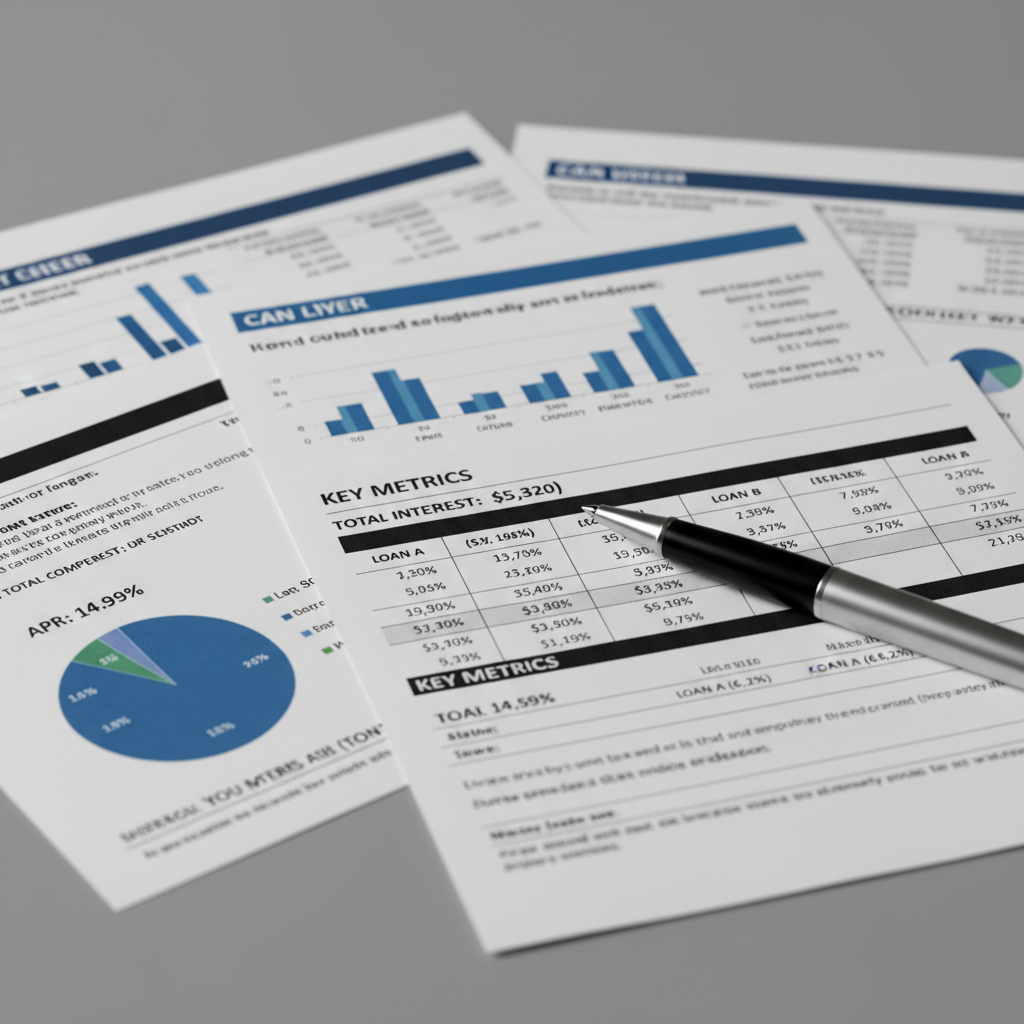
In today’s digital age, leveraging technology can significantly enhance financial reporting. Implementing financial software and tools automates processes, reduces errors, and saves time. These systems often feature real-time data analytics and reporting capabilities, enabling more informed business decisions.
Cloud-based solutions offer accessibility and scalability, allowing teams to collaborate effectively from any location. This flexibility is crucial for maintaining productivity and ensuring that financial data is up-to-date and accurate.

Establishing a Robust Internal Control System
A robust internal control system is fundamental to seamless financial reporting. It helps prevent fraud, ensures accuracy, and promotes operational efficiency. Key components include regular audits, segregation of duties, and authorization protocols.
Implementing these controls not only safeguards assets but also enhances the reliability of financial reports. By regularly reviewing and updating these controls, businesses can adapt to new challenges and maintain financial integrity.
Analyzing Financial Data Effectively
Once financial data is compiled, effective analysis is crucial for extracting meaningful insights. This involves examining trends, ratios, and variances to understand the financial position and performance. Regular analysis helps in identifying areas of strength and potential risks.
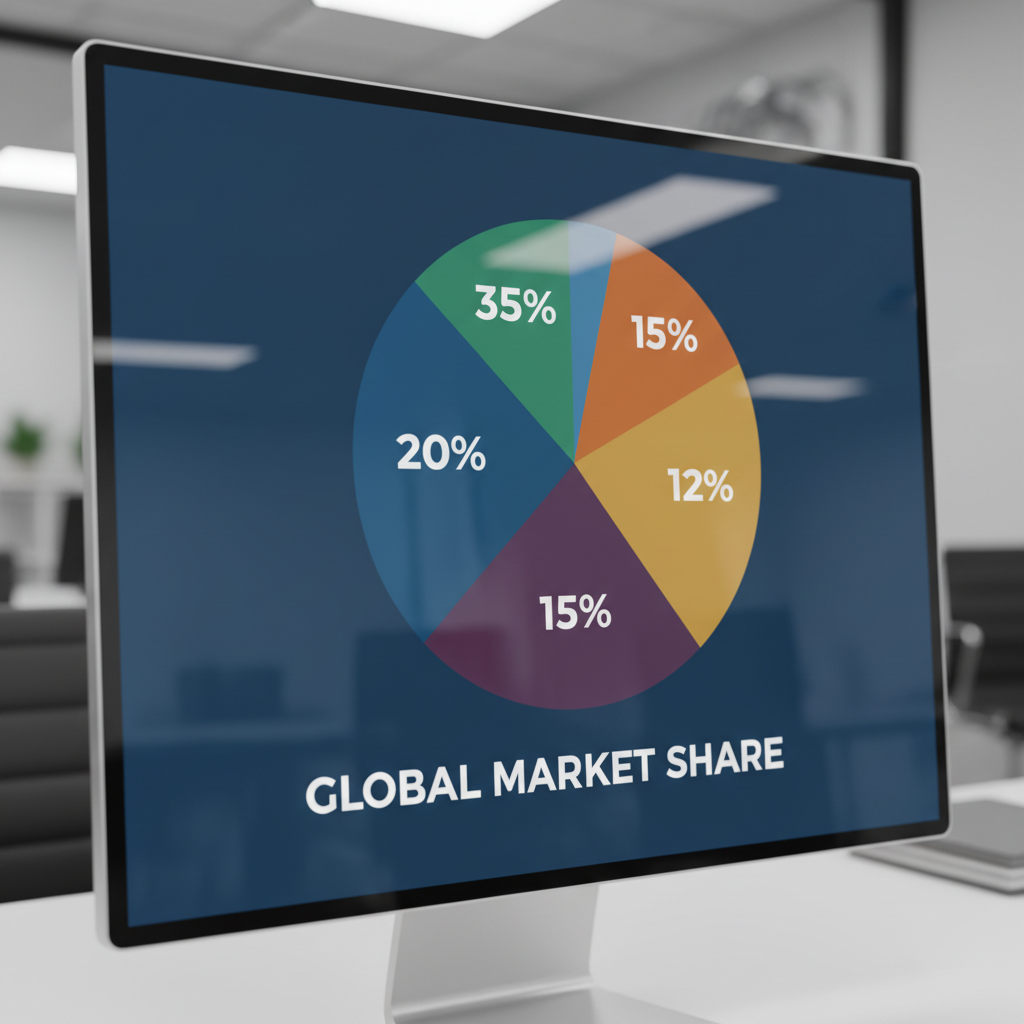
Utilizing data visualization tools can further enhance understanding by presenting complex data in an easily digestible format. Graphs, charts, and dashboards provide a clear picture of financial trends and performance metrics.
Ensuring Compliance with Regulations
Compliance with financial regulations is non-negotiable. Staying updated with the latest regulatory changes is essential to avoid penalties and maintain a positive reputation. Establishing a dedicated compliance team can help monitor and implement necessary changes in reporting practices.
Regular training sessions for staff on compliance requirements can also aid in maintaining adherence to industry standards and regulations.
Conclusion: Continuous Improvement
Seamless financial reporting and analysis are ongoing processes that require continuous improvement and adaptation. By investing in technology, establishing strong controls, and focusing on compliance, businesses can enhance their financial reporting capabilities.
Regularly reviewing and refining these practices ensures that financial reporting remains accurate, efficient, and aligned with business goals, ultimately supporting long-term success.