
Streamlining Business Operations with ERP Systems: Expert Tips and Insights


In today's fast-paced business world, efficiency is key to staying ahead of the competition. One of the most effective ways to streamline business operations is by implementing an Enterprise Resource Planning (ERP) system. An ERP system integrates various functions of a business into a single unified system, simplifying processes and improving productivity.
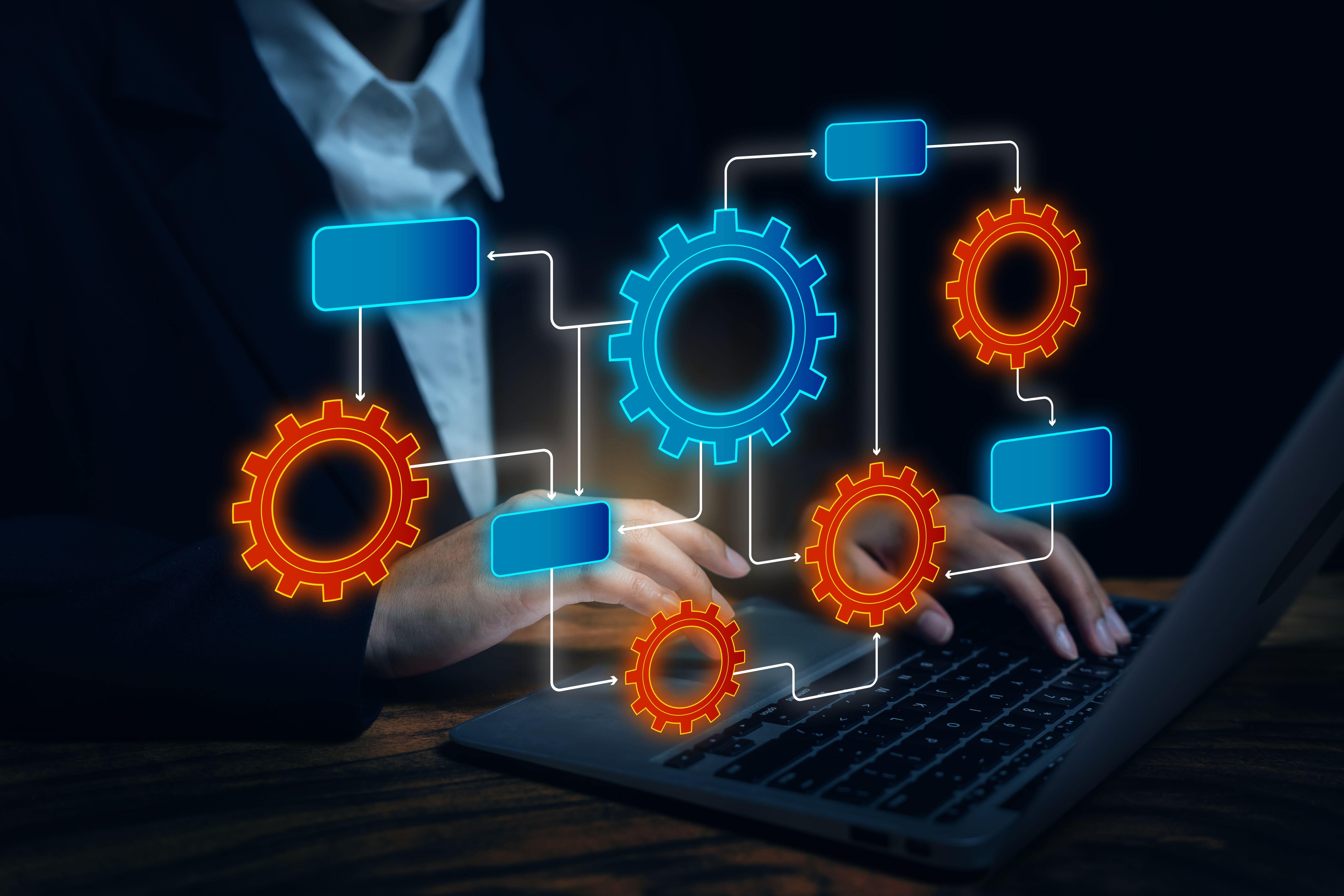
Understanding ERP Systems
An ERP system is a powerful tool that centralizes data and automates routine tasks, allowing businesses to make data-driven decisions. By providing a single source of truth, ERP systems eliminate data silos and improve communication across departments.
Key Benefits of ERP Systems
ERP systems offer numerous benefits that can transform business operations. Some of the most significant advantages include:
- Improved Efficiency: Automating repetitive tasks reduces manual effort and minimizes errors.
- Enhanced Reporting: Real-time data analysis helps in making informed decisions quickly.
- Scalability: As your business grows, an ERP system can easily adapt to changing needs.
Expert Tips for Implementing ERP Systems
Implementing an ERP system is a significant investment, and getting it right is crucial. Here are some expert tips to ensure a successful implementation:
Choose the Right ERP System
Selecting the right ERP system is vital. Consider your business size, industry, and specific needs when evaluating options. Engage stakeholders from different departments to gather diverse perspectives.

Plan Thoroughly
A comprehensive implementation plan is essential. Define clear goals and timelines, and allocate resources effectively. Involve an experienced project manager to oversee the process and address any challenges promptly.
Insights from Successful ERP Implementations
Learning from businesses that have successfully implemented ERP systems can provide valuable insights. Here are some lessons from companies that have streamlined their operations:
- Training is Key: Ensure all users understand the system's features and benefits through comprehensive training sessions.
- Customization: Tailor the ERP system to fit your unique business processes for maximum efficiency.
- Continuous Improvement: Regularly review and update the system to adapt to evolving business needs.

Overcoming Common Challenges
Implementing an ERP system can be challenging, but being aware of potential obstacles can help you overcome them. Common challenges include:
- Resistance to Change: Foster a culture of openness and highlight the benefits of the new system.
- Data Migration Issues: Ensure data accuracy and integrity during the transfer process.
In conclusion, ERP systems are a powerful tool for enhancing business operations. By carefully selecting the right system, planning meticulously, and learning from others' experiences, businesses can achieve significant efficiency gains and drive growth.