
The Role of ERP Systems in Achieving Tax Compliance for Startups


Understanding ERP Systems
Enterprise Resource Planning (ERP) systems are comprehensive software solutions that integrate various business processes and functions into a single system. For startups, these systems offer a centralized platform to manage operations, streamline processes, and ensure data accuracy.
By having all business data in one place, startups can enhance efficiency, reduce errors, and improve decision-making. An ERP system can be particularly beneficial in managing financial operations, including tax compliance, which is crucial for any growing business.

Importance of Tax Compliance for Startups
Tax compliance involves adhering to local, state, and federal tax laws and regulations. For startups, ensuring compliance is essential to avoid legal penalties and maintain a positive reputation. Non-compliance can result in fines, audits, and even business closure.
Startups often face challenges in managing tax obligations due to limited resources and expertise. Here, ERP systems play a pivotal role by providing tools to automate tax calculations and generate accurate financial reports.
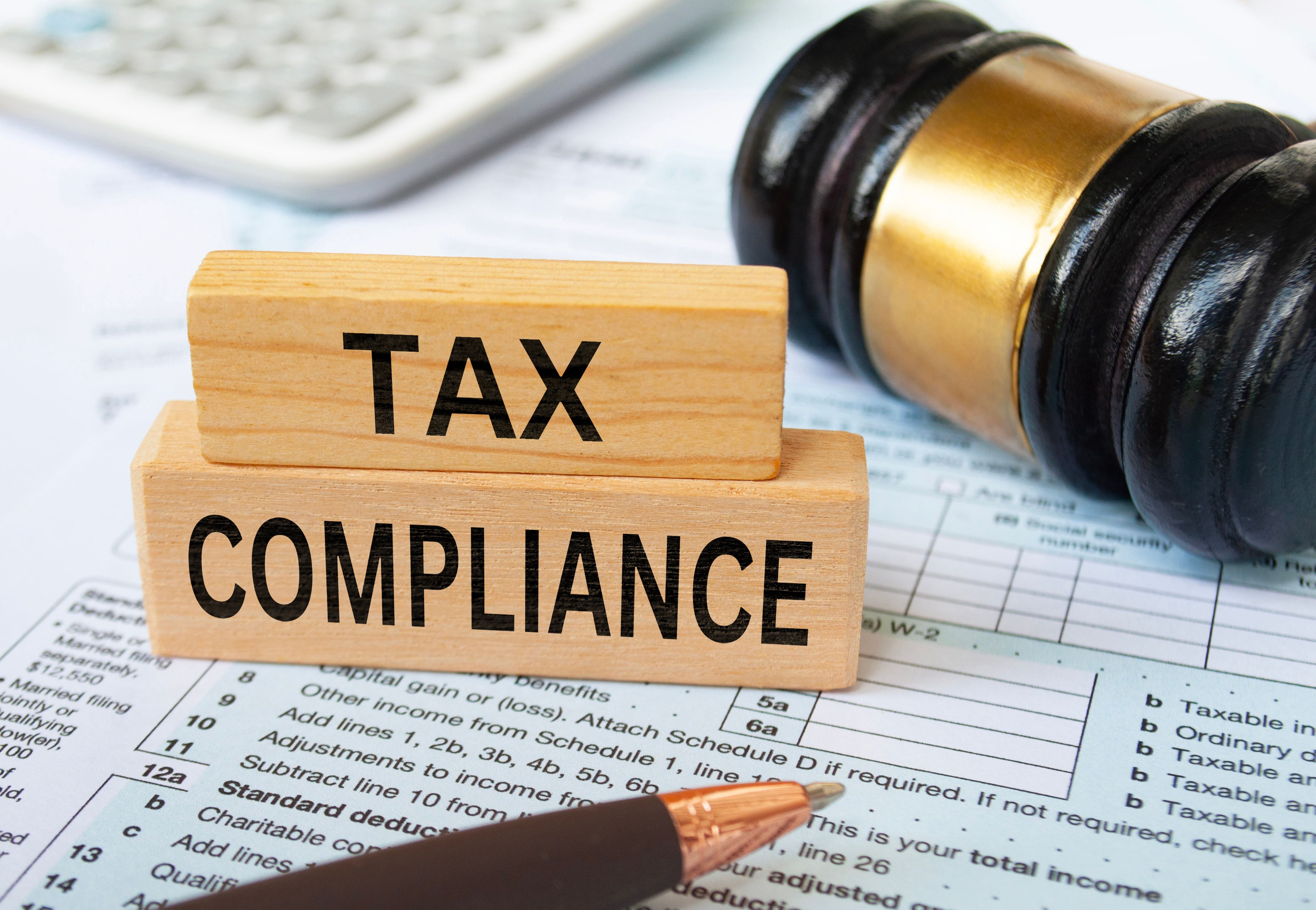
How ERP Systems Facilitate Tax Compliance
ERP systems simplify tax compliance in several ways:
- Automated Tax Calculations: ERP systems automatically calculate taxes based on current rates and regulations, reducing human error.
- Real-time Reporting: They offer real-time financial reporting, helping startups keep track of their tax liabilities.
- Audit Trails: ERPs maintain comprehensive audit trails, which are critical for tax audits and reviews.
Integration with Accounting Functions
One of the key benefits of ERP systems is their ability to integrate seamlessly with accounting functions. This integration ensures that financial data is consistently updated and accessible, enabling accurate tax filing.
By synchronizing data from various departments, ERPs provide a holistic view of the company's financial health, essential for strategic planning and tax management.

Choosing the Right ERP System
For startups, selecting the right ERP system is crucial. Considering factors such as scalability, ease of use, and customization options can make a significant difference in successful implementation.
Startups should look for ERP solutions that specifically cater to their industry and size, ensuring that the system can grow with the business and adapt to changing tax laws and regulations.
Overcoming Implementation Challenges
Implementing an ERP system can be challenging for startups due to budget constraints and limited IT resources. However, with careful planning and the right strategy, these challenges can be overcome.
Working with experienced consultants and investing in employee training can facilitate a smooth transition and maximize the benefits of the ERP system.

Future Trends in ERP and Tax Compliance
The future of ERP systems is promising, with advancements in technology such as artificial intelligence and machine learning. These innovations are expected to further enhance tax compliance by offering predictive analytics and automated compliance checks.
Staying updated with these trends can help startups maintain a competitive edge and ensure ongoing tax compliance as they expand globally.
Conclusion
ERP systems are invaluable tools for startups aiming to achieve tax compliance. By automating processes, providing real-time insights, and ensuring data accuracy, these systems enable startups to focus on growth and innovation without the burden of tax-related worries.
Investing in the right ERP solution not only helps in managing tax obligations but also supports overall business success.