
The Role of Financial Reporting in Achieving Tax Compliance


Understanding Financial Reporting
Financial reporting is a critical component of business operations. It involves the preparation of financial statements that provide a snapshot of a company's financial condition. These statements include balance sheets, income statements, and cash flow statements. Financial reporting is essential for stakeholders, including investors, creditors, and regulatory bodies, to make informed decisions.
Accurate financial reporting ensures that companies are transparent about their financial health. This transparency is crucial for building trust with stakeholders and maintaining a company's reputation in the marketplace.

The Importance of Tax Compliance
Tax compliance refers to the process of adhering to tax laws and regulations set by government authorities. It involves timely and accurate filing of tax returns, payment of taxes owed, and maintaining proper records. Non-compliance can result in penalties, legal issues, and damage to a company's reputation.
For businesses, achieving tax compliance is not just a legal obligation but also a strategic priority. Companies that prioritize tax compliance can avoid unnecessary financial risks and focus on growth and development.
The Connection Between Financial Reporting and Tax Compliance
Financial reporting plays a vital role in achieving tax compliance. Accurate financial statements provide the necessary data for preparing tax returns. Without precise financial records, businesses may struggle to determine their tax liabilities, leading to potential errors or omissions in tax filings.
Moreover, financial reporting helps companies identify tax-saving opportunities. By analyzing financial statements, businesses can uncover deductions and credits that may reduce their overall tax burden.
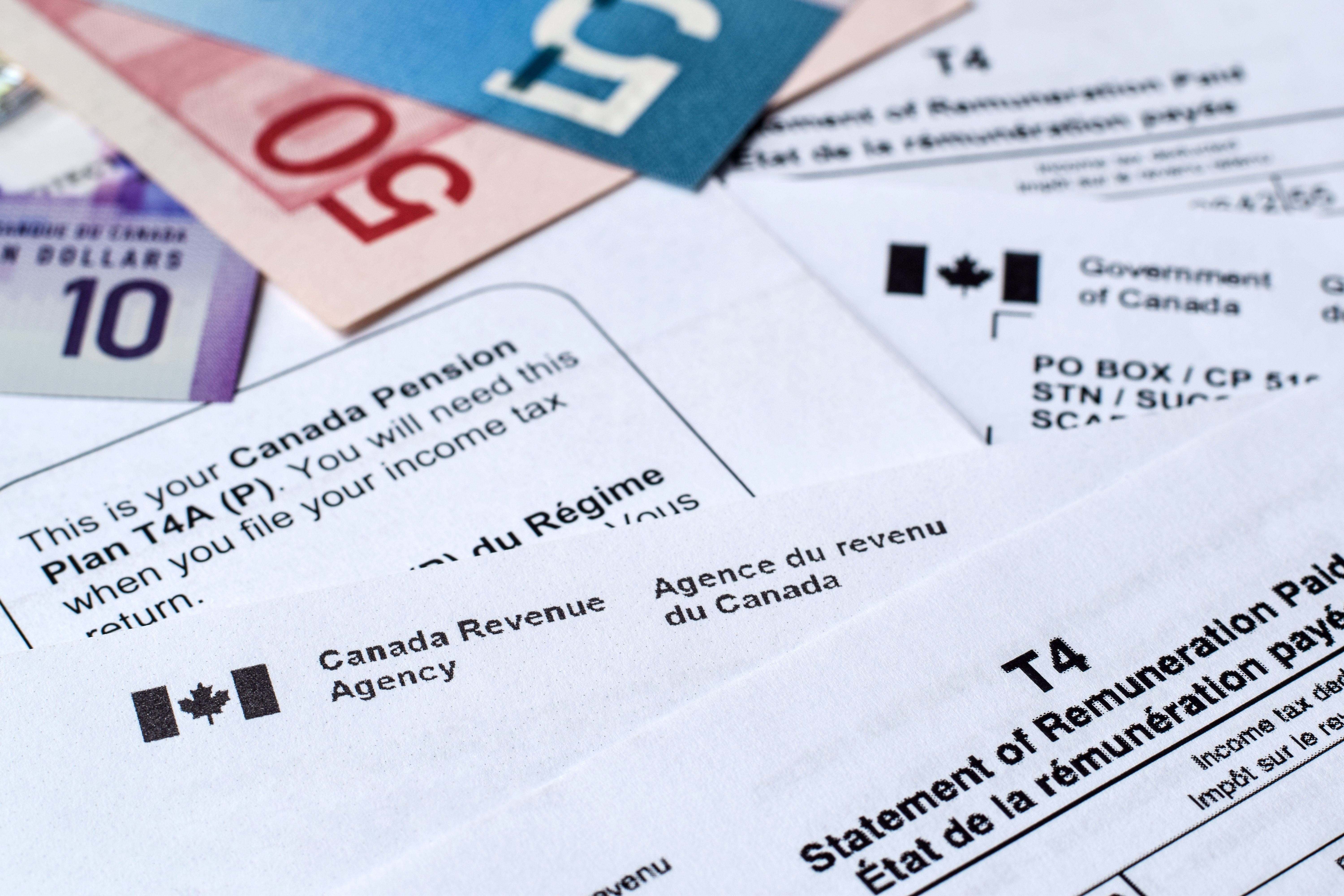
Best Practices for Ensuring Compliance
To ensure tax compliance through financial reporting, businesses should adopt several best practices:
- Maintain Accurate Records: Ensure all financial transactions are recorded promptly and correctly.
- Regular Audits: Conduct regular audits to verify the accuracy of financial statements.
- Consult with Professionals: Work with accountants or tax advisors to navigate complex tax regulations.
Implementing these practices can help businesses stay compliant with tax laws and avoid potential pitfalls.
Leveraging Technology for Compliance
In today's digital age, technology plays a significant role in financial reporting and tax compliance. Accounting software and financial management tools can automate many compliance-related tasks, reducing the risk of human error and ensuring timely reporting.
These tools also provide real-time insights into a company's financial status, enabling more strategic decision-making. By leveraging technology, businesses can streamline their financial reporting processes and enhance their compliance efforts.

Conclusion
Financial reporting is integral to achieving tax compliance. It provides the foundational data needed for accurate tax filings and helps identify opportunities for tax savings. By maintaining accurate records, conducting regular audits, and leveraging technology, businesses can ensure they meet their tax obligations and focus on sustainable growth.